
Window winter insulation
What exactly is a “warm window” installation, and what does it entail? First and foremost, the technology behind this insulation method applies to both composite-plastic and wooden windows. A vast majority of clients most often find online descriptions of different types of insulated glass, such as double-pane or triple-pane windows. And indeed, for houses with timber frames where wall thickness varies from 10 to 25 cm, this is the only viable option. To achieve a “warm window” installation effect, this option uses a vapor barrier membrane on the inside, polyurethane foam at the level of the window frame, and a waterproofing membrane on the outside. The outer membrane additionally acts as a wind barrier. This option provides a far greater hermeticity and protects the foam from external factors. However, in terms of increasing thermal resistance itself, these measures do not contribute to the resistance of this system. It exclusively adds durability to the thermal insulation material and significantly increases its service life. Therefore, this method can be described as an approved, recommended method of window installation.
Warm Window Installation
How exactly can the thermal resistance of the window frame joint be increased? Initially, it’s a key task to identify the weakest link in the joint. There is a significant number of variables in the system, such as installation foam, a heat-saving window frame with triple glazing, plastic, vinyl, or fiberglass. Any of the aforementioned elements may be at fault, and it is indeed difficult to single out a problem. However, there is one link that is often overlooked, and that would be a window slope. Typically, it is manufactured out of stone materials and has a fairly good thermal conductivity; moreover, the wall thickness by the slope is equal to the thickness of the window frame. In recent times, professionals in varying fields have begun to pay attention to these joints and insulate the slopes, which significantly increases the level of heat conservation. Nevertheless, there is a caveat: the insulation thickness slightly exceeds the space filled with polyurethane foam. Often, it is still possible to install no more than 3 cm of expanded polystyrene instead. With the improvement of heat-saving window designs, a reasonable question arises: How can the window frame connection be improved to correspond to the new level of efficiency that contemporary building materials provide?
Warm Installation Technology for Metal-Plastic Windows
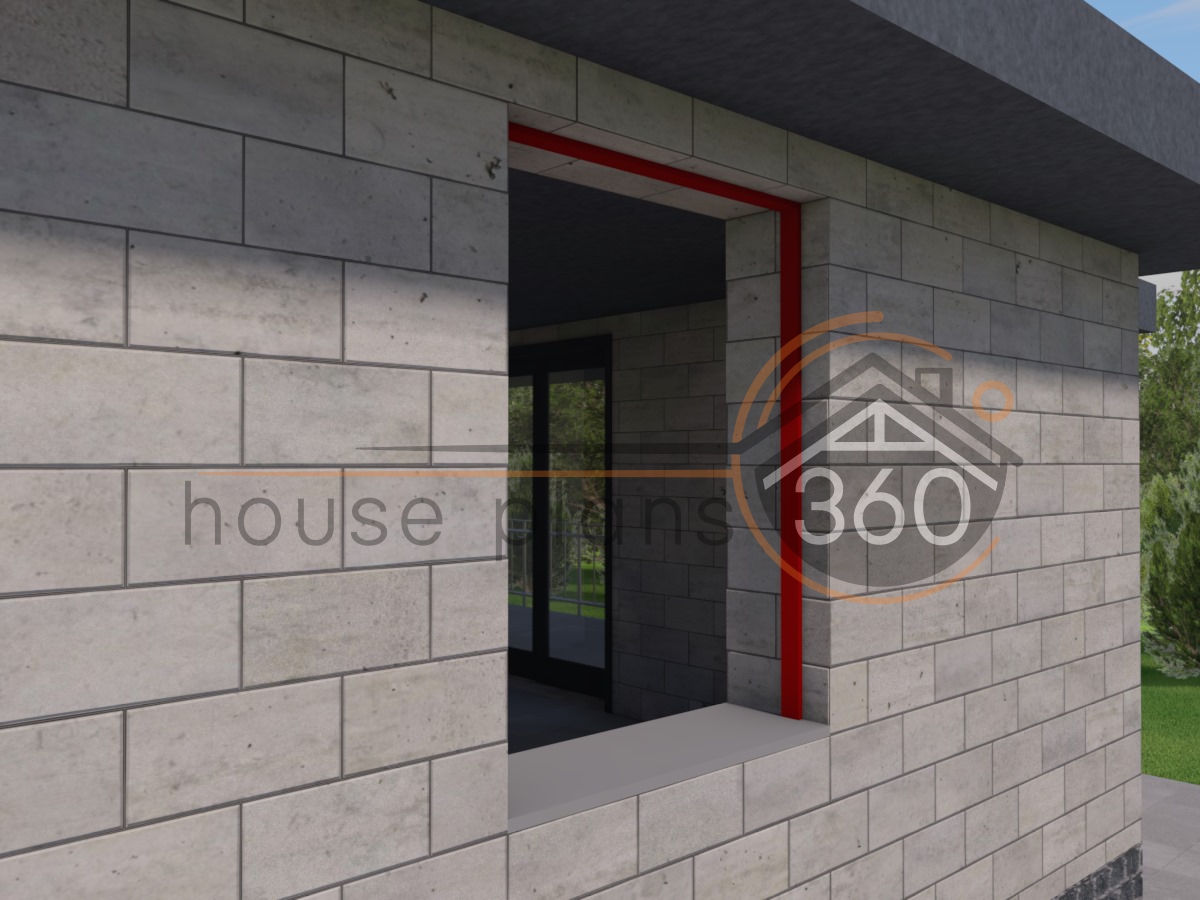
This technology involves insulating the slope with thicker insulation material. To accomplish such a condition, the overall width of the ordered window must be adjusted to be thinner, while still taking into account the gap for the mounting foam. If the standard version uses 3 cm of insulation on the slope, the new version will use a 5 cm module on both the inner and outer slopes. First, it’s important to glue the extruded foam to the adhesive foam along all sides of the window frame, as shown in Figure 1. Then, install the window in the usual way, attached by means of the mounting foam. This step results in additional space for attaching 5
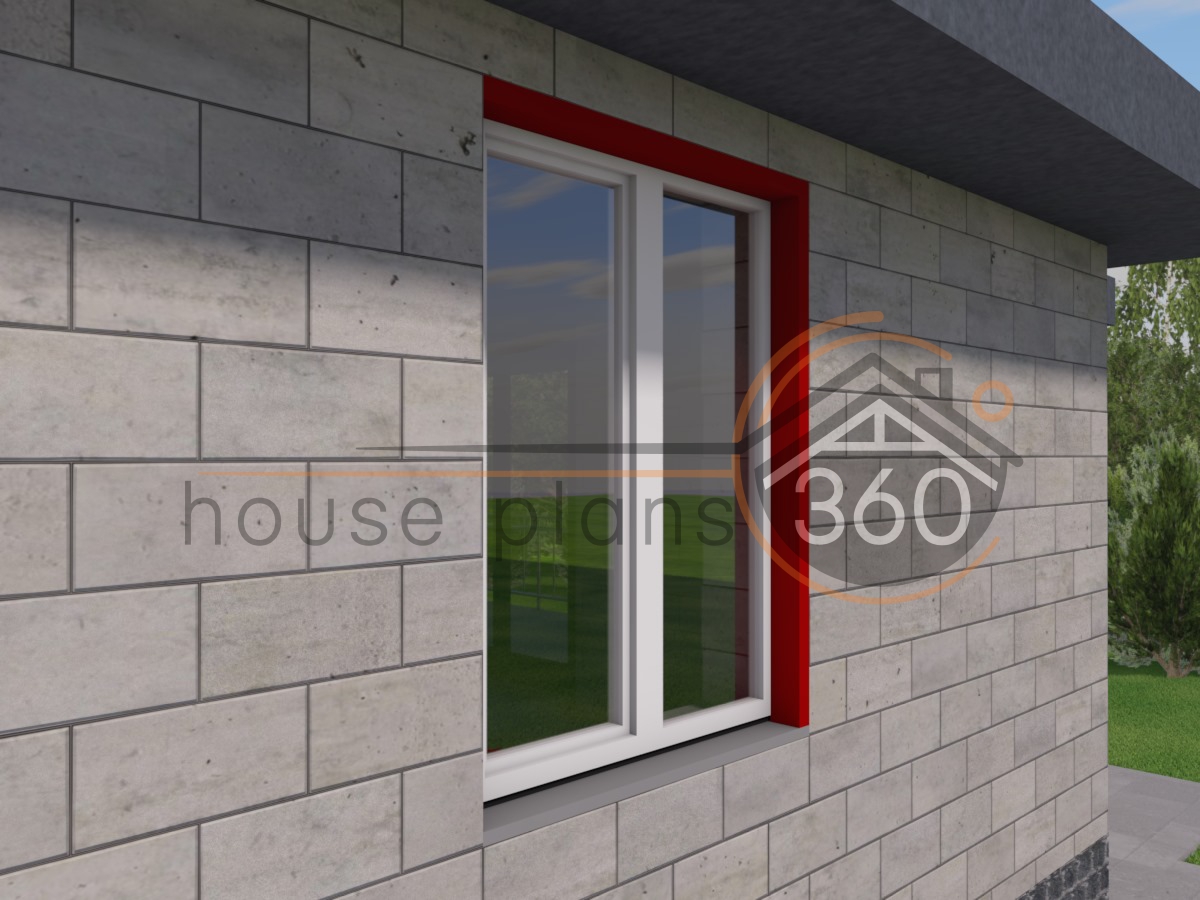
cm-thick foam to the slope, as shown in Figure 2. The most interesting aspect of this method is that, when using extruded foam, there is no need for an additional vapor barrier or waterproofing tape. This is because extruded foam is non-hygroscopic, meaning it does not allow vapor or moisture to pass through. To prevent wind from blowing through, apply polyurethane sealant to the joint between the window frame and the foam, inside and out, only once the slope is completed.
Warm installation of the base profile
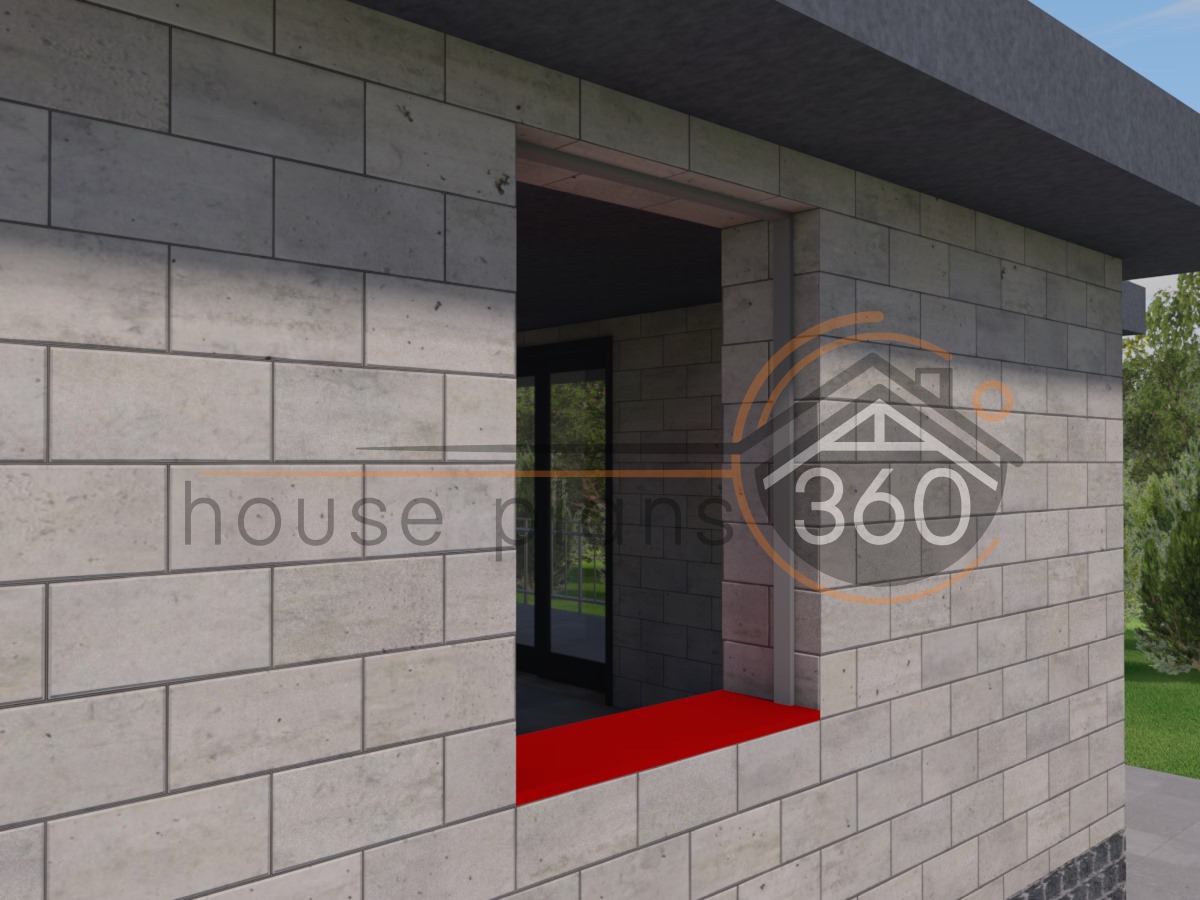
All aforementioned methods apply to the side and top modules of the window junction. But how exactly can a similar result be achieved underneath the window junction where the window is installed? The process is, in fact, similar, but there are some nuances. The window is typically mounted on a base profile, to which the window sill is attached on the inside and the sill plate is attached on the outside. The space under the window sill and sill plate must be insulated. In accordance with the previously mentioned method, the entire surface of the window sill space must be covered with 3-cm-thick extruded foam and sealed with the adhesive foam as shown in Figure 3. Subsequently, in preparation for the process, cut holes with a diameter equal to the size of a given polypropylene pipe where the base profile rests. The main supporting elements are pieces of 3 cm high polypropylene pipe, equal to the circumference of the foam layer. These pieces are installed directly into the holes that were cut into the base profile. This will close off the entire lower part of the window sill, keeping it away from cold bridges. Both the window sill board and the sill will rest on an efficient layer of insulation. The second option is simpler; however, it implies a higher cost. Purchase a warm base profile with an increased height. This allows the window frame to be installed as usual, together with the base profile, directly on the stone base. Then, additional insulation is installed under the inner window sill board and the outer sill instead.
In summary, a well-performed, “true” warm window installation increases the thermal resistance of adjacent structures. It protects the installation foam from moisture, wind, and other external factors.